7 Invoicing Mistakes That Delay Your Payments
4 min read · 18 May 2026
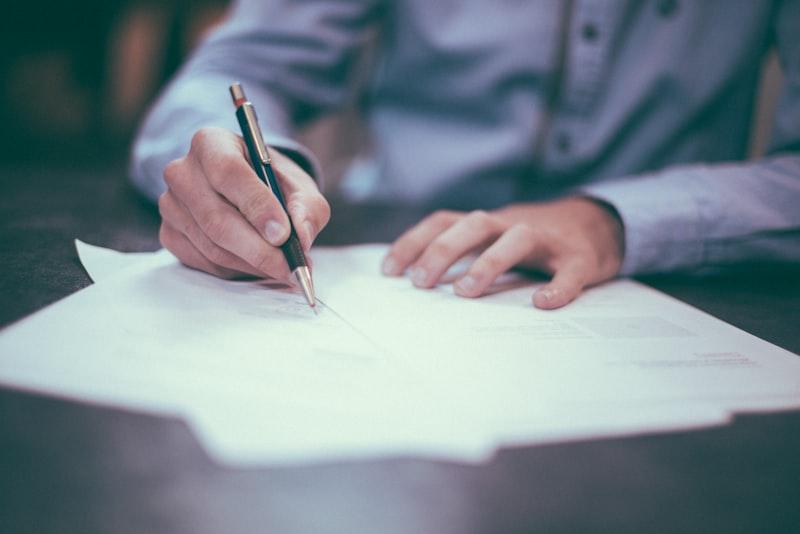
Small invoice errors cost businesses weeks of cash flow. Here's what to fix to get paid faster.
Why invoices get paid late
Most late payments aren't because clients won't pay — they're because the invoice made it easy to delay. A missing detail, an unclear due date, or no easy way to pay all add friction. Remove the friction and you get paid faster.
The 7 mistakes
- No clear due date — always state an exact date, not 'net 30'
- Missing or wrong GST/GSTIN details that bounce the invoice for review
- No invoice number or inconsistent numbering
- Vague line items the client can't approve quickly
- No payment instructions or online payment option
- Sending to the wrong person (not the one who pays)
- No follow-up system when an invoice goes unpaid
Get paid faster, automatically
Send clean, GST-ready invoices with clear due dates and payment links, then let automated reminders chase overdue invoices for you. Businesses that automate reminders typically cut their average collection time significantly — without the awkward phone calls.
Put this into practice with Betterwork Books
All-in-one GST billing, accounting & invoicing software. Start free with 50 invoices — no card needed.
Explore Betterwork BooksFAQs
How soon should I send an invoice?
Immediately after delivering the goods or service. The longer you wait, the longer you'll be paid — invoicing speed directly affects cash flow.
Do payment reminders actually work?
Yes. Polite, automated reminders before and after the due date are one of the most effective ways to reduce late payments.